
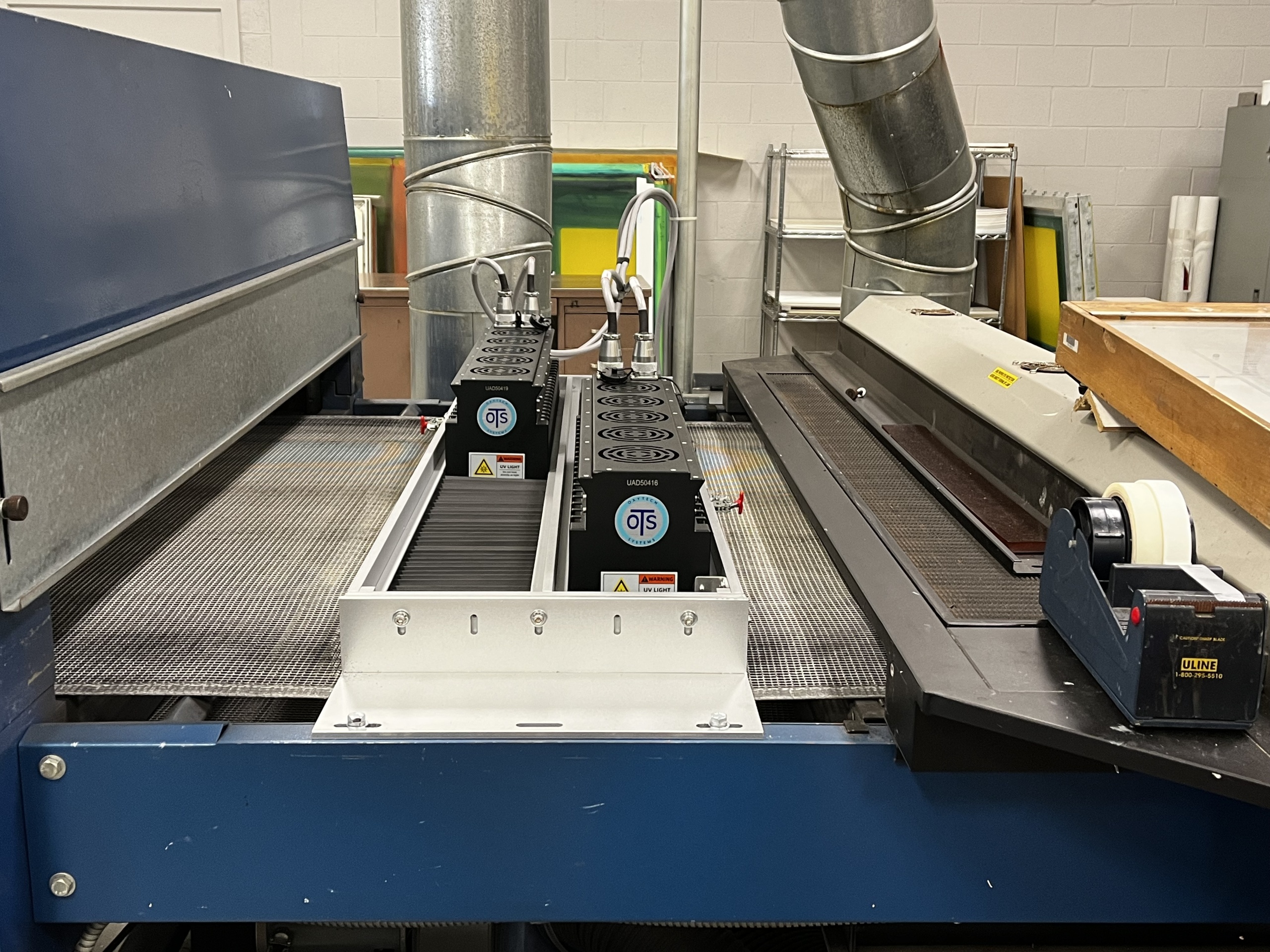
Converting from Mercury Vapor UV to LED UV: A Complete Guide for Modern Printing Operations
Converting from Mercury Vapor UV to LED UV
Converting from mercury vapor UV to LED UV is one of the most significant upgrades available to modern printing and converting operations. As manufacturers continue searching for ways to reduce operating costs, improve print quality, and increase production efficiency, converting from mercury vapor UV to LED UV has become a proven solution. The technology delivers consistent curing performance while reducing maintenance requirements and energy consumption.
Traditional mercury vapor UV curing systems have been the industry standard for decades. While they provide reliable curing, they also generate excessive heat, consume large amounts of electricity, and require routine lamp replacements. By comparison, LED UV curing systems offer longer operating life, instant on/off capability, and significantly lower operating costs.
Why Companies Are Converting from Mercury Vapor UV to LED UV
The decision to begin converting from mercury vapor UV to LED UV is driven by both financial and production benefits. Many printing companies are replacing aging mercury systems because LED technology offers measurable improvements throughout the manufacturing process.
Some of the primary advantages include:
- Lower electrical consumption
- Minimal maintenance
- Longer lamp life
- Instant start and stop operation
- Reduced heat generation
- Improved operator safety
- Consistent curing performance
- Higher production uptime
These benefits make converting from mercury vapor UV to LED UV an attractive investment for commercial printers, label manufacturers, packaging companies, and industrial coating operations.
Lower Energy Consumption
One of the biggest reasons companies are converting from mercury vapor UV to LED UV is the reduction in energy usage. Mercury vapor lamps require substantial electrical power to operate. They also require warm-up time before reaching full output.
LED UV systems operate much more efficiently. They convert more electrical energy directly into usable ultraviolet light. They also eliminate the need for lengthy warm-up cycles.
Lower power consumption reduces monthly utility costs and helps manufacturers meet sustainability goals.
Instant On and Off Operation
Mercury vapor lamps must remain operating during production delays because repeated cycling shortens lamp life. This wastes electricity and generates unnecessary heat.
After converting from mercury vapor UV to LED UV, operators can switch the curing system on and off instantly. Full curing intensity is available immediately.
Instant operation reduces idle energy consumption and increases overall equipment efficiency.
Longer Lamp Life
Another important benefit of converting from mercury vapor UV to LED UV is lamp longevity.
Traditional mercury vapor lamps typically require replacement after approximately 1,000 to 2,000 operating hours, depending on operating conditions. Reflectors also require regular cleaning and maintenance to maintain curing performance.
LED UV curing heads often operate for 20,000 hours or more before significant output degradation occurs. This dramatically reduces replacement costs and maintenance downtime.
Reduced Heat Generation
Heat is a major concern in many printing applications.
Mercury vapor systems generate infrared heat in addition to ultraviolet energy. This heat can cause substrate distortion, shrinkage, stretching, or registration problems.
Converting from mercury vapor UV to LED UV significantly reduces heat exposure because LED systems emit very little infrared energy.
Lower substrate temperatures allow printers to process:
- Thin films
- Pressure-sensitive labels
- Shrink sleeves
- Flexible packaging
- Heat-sensitive plastics
- Lightweight paper stocks
Reduced heat expands production capabilities while improving overall product quality.
Improved Print Quality
Consistent curing directly impacts finished print quality.
When converting from mercury vapor UV to LED UV, many companies experience improved color consistency and more predictable curing results. LED UV systems deliver stable output throughout their operating life.
Mercury lamps gradually lose intensity as they age, creating inconsistent curing conditions. LED technology maintains much more consistent performance.
This consistency helps reduce rejects, minimize waste, and improve customer satisfaction.
Lower Maintenance Requirements
Maintenance costs are another reason businesses are converting from mercury vapor UV to LED UV.
Mercury vapor systems require:
- Lamp replacement
- Reflector cleaning
- Reflector replacement
- Mechanical adjustments
- Regular UV output monitoring
LED systems eliminate many of these maintenance tasks.
Fewer maintenance requirements increase equipment availability and reduce labor costs.
Environmental Benefits
Environmental responsibility has become increasingly important across the printing industry.
Converting from mercury vapor UV to LED UV helps companies reduce their environmental impact.
Mercury vapor lamps contain mercury, which requires special handling and disposal procedures.
LED curing systems contain no mercury. They also consume less electricity, helping reduce greenhouse gas emissions associated with power generation.
Many organizations include LED upgrades as part of their sustainability initiatives.
Better Production Efficiency
Production efficiency improves significantly after converting from mercury vapor UV to LED UV.
Operators spend less time waiting for equipment to warm up.
Maintenance interruptions become less frequent.
Unexpected lamp failures become less common.
Production schedules become more predictable.
These improvements increase machine uptime and improve manufacturing throughput.
Return on Investment
The initial investment required for converting from mercury vapor UV to LED UV is often recovered through operating savings.
Savings typically come from:
- Lower energy bills
- Reduced maintenance expenses
- Longer lamp life
- Increased uptime
- Lower replacement part costs
- Improved production efficiency
Many facilities calculate a favorable return on investment within only a few years, depending on production hours and operating conditions.
Applications for LED UV Conversion
Converting from mercury vapor UV to LED UV is suitable for many printing and industrial processes.
Common applications include:
- Flexographic printing
- Offset printing
- Digital printing
- Sheetfed presses
- Narrow web presses
- Wide web presses
- Label printing
- Folding cartons
- Flexible packaging
- Industrial coatings
- Wood finishing
- Graphic arts
Every application should be evaluated individually to ensure proper curing performance and ink compatibility.
Important Considerations Before Converting
Before converting from mercury vapor UV to LED UV, manufacturers should evaluate several factors.
These include:
- Existing press configuration
- Available installation space
- Required curing width
- Production speed
- Ink chemistry
- Coating compatibility
- Electrical requirements
- Cooling requirements
- Future production goals
Working with an experienced UV equipment manufacturer helps ensure a successful conversion.
Selecting the Right LED UV System
Not all LED UV systems are identical.
An effective system should provide:
- Uniform curing across the web
- Reliable thermal management
- High optical efficiency
- Proven industrial durability
- Easy integration
- Responsive technical support
- Upgrade flexibility
Choosing quality equipment helps maximize the long-term benefits of converting from mercury vapor UV to LED UV.
Conclusion
Converting from mercury vapor UV to LED UV offers measurable advantages for printers and converters seeking greater efficiency, lower operating costs, and improved production performance. The combination of lower energy consumption, reduced maintenance, longer operating life, consistent curing, and minimal heat generation makes LED UV technology a smart investment for modern manufacturing.
As printing technology continues to evolve, converting from mercury vapor UV to LED UV will remain a leading strategy for companies looking to improve productivity while reducing overall operating expenses. Whether upgrading a single press or modernizing an entire facility, LED UV curing delivers long-term value through increased reliability, improved print quality, and lower total cost of ownership.
Frequently Asked Questions About Converting from Mercury Vapor UV to LED UV
- What are the benefits of converting from mercury vapor UV to LED UV?
Converting from mercury vapor UV to LED UV offers numerous advantages, including lower energy consumption, reduced maintenance, longer lamp life, instant on/off operation, and improved curing consistency. LED UV systems also produce significantly less heat, allowing printers to process heat-sensitive substrates while lowering operating costs.
- Can I retrofit my existing UV press with an LED UV curing system?
Yes. Many flexographic, offset, digital, and sheetfed presses can be retrofitted when converting from mercury vapor UV to LED UV. An experienced equipment manufacturer can evaluate your press, available space, electrical requirements, and production goals to recommend the best LED UV solution.
- Will converting from mercury vapor UV to LED UV reduce my electricity costs?
Yes. One of the biggest advantages of converting from mercury vapor UV to LED UV is lower energy consumption. LED UV curing systems require less electrical power and eliminate warm-up periods, reducing both operating costs and overall energy usage.
- How long do LED UV lamps last compared to mercury vapor lamps?
Mercury vapor lamps typically require replacement after approximately 1,000 to 2,000 operating hours. LED UV curing heads can often operate for 20,000 hours or more with minimal loss of curing performance. This longer service life reduces maintenance expenses and machine downtime.
- Do LED UV curing systems generate less heat?
Yes. Converting from mercury vapor UV to LED UV significantly reduces heat because LED systems produce very little infrared energy. Lower operating temperatures help prevent substrate distortion, improve registration, and allow printers to cure inks on thin films, shrink sleeves, labels, and other heat-sensitive materials.
- Do I need different inks when converting from mercury vapor UV to LED UV?
In most cases, yes. LED UV curing systems require inks and coatings specifically formulated to cure under LED wavelengths. Your ink supplier and LED UV equipment manufacturer can recommend compatible products that deliver reliable curing and excellent print quality.
- Is converting from mercury vapor UV to LED UV worth the investment?
For many printing companies, converting from mercury vapor UV to LED UV provides an excellent return on investment. Savings come from reduced electrical consumption, fewer maintenance requirements, longer lamp life, increased equipment uptime, and improved production efficiency.
- Which printing applications benefit most from LED UV conversion?
LED UV technology is widely used in flexographic printing, sheetfed offset printing, narrow web presses, label printing, folding cartons, flexible packaging, commercial printing, digital printing, and industrial coating applications. Many manufacturers choose LED UV to increase productivity while lowering operating costs.
- Is LED UV curing more environmentally friendly than mercury vapor UV?
Yes. LED UV curing systems contain no mercury, consume less electricity, and require fewer replacement components. Converting from mercury vapor UV to LED UV can help companies reduce waste, lower their environmental impact, and support sustainability initiatives.
- How do I know if my press is a good candidate for an LED UV upgrade?
The best way to determine whether your equipment is suitable for converting from mercury vapor UV to LED UV is to have your press evaluated by an experienced UV curing system manufacturer. Factors such as press model, curing width, production speed, available space, and ink compatibility all influence the design of a successful LED UV retrofit